

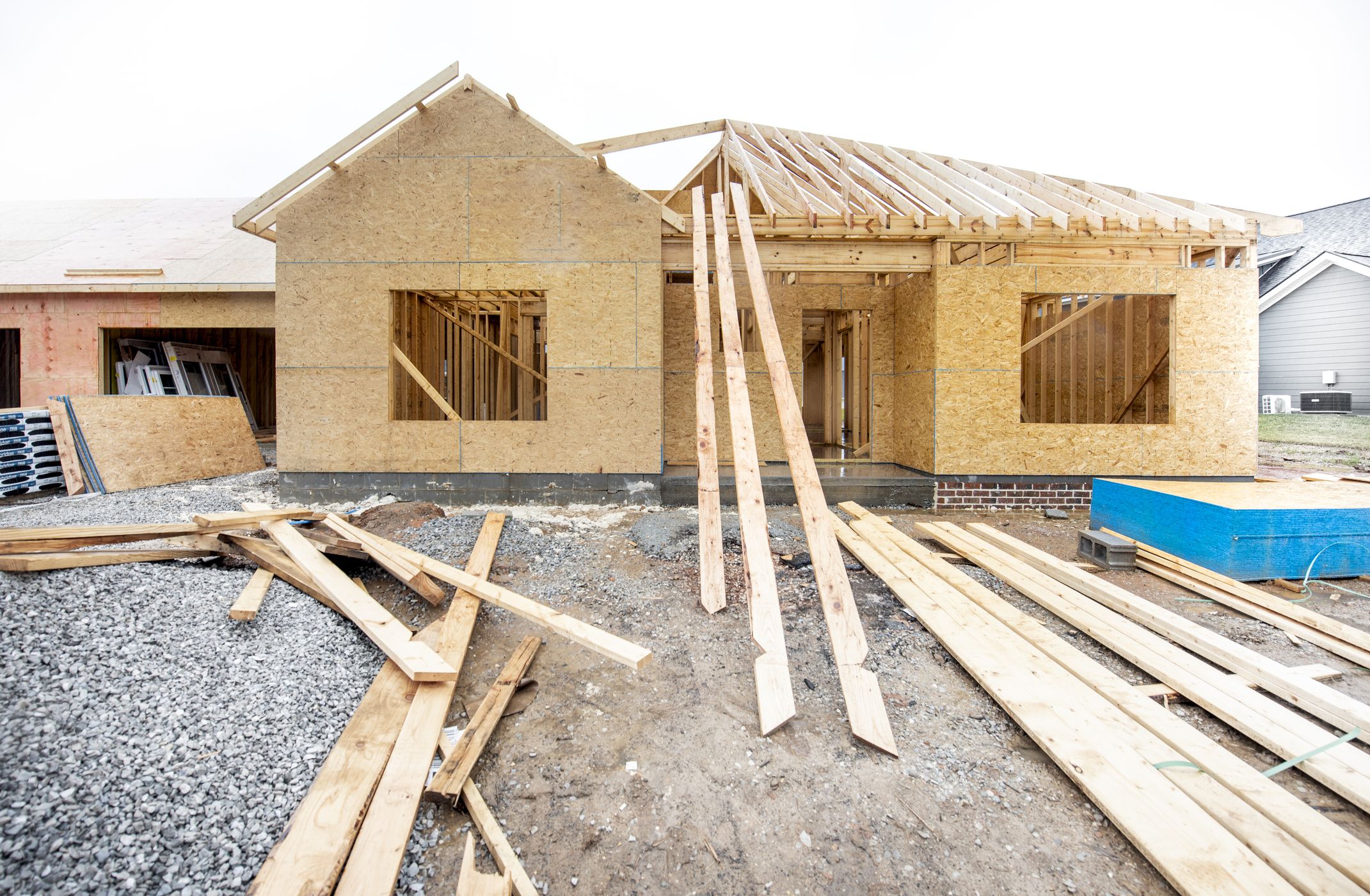
For homebuyers struggling with today’s higher mortgage rates, new construction communities are suddenly full of tempting offers: 4% mortgage rates when the market is closer to 6% or 7%, tens of thousands of dollars in closing cost credits, or “free” upgrades thrown in at signing.
These incentives aren’t necessarily a trick, and they’re not all bait and switch. But they’re also not free money. Builders are using financial carrots strategically, and buyers who don’t understand how those deals are structured can end up paying more over time.
Here’s how builder mortgage incentives work, where the catches tend to be and how to decide whether a deal actually makes sense for your budget.
Sign up for Kiplinger’s Free Newsletters
Profit and prosper with the best of expert advice on investing, taxes, retirement, personal finance and more – straight to your e-mail.
Profit and prosper with the best of expert advice – straight to your e-mail.
Why builders are leaning on incentives instead of price cuts

(Image credit: Getty Images)
Many large homebuilders are sitting on completed or near-completed inventory at a time when affordability is stretched and buyers are highly rate-sensitive. Instead of slashing sticker prices, which can upset previous buyers, hurt appraisals and reset neighborhood comps, builders often prefer incentives.
Mortgage rate buydowns and closing cost credits allow builders to advertise lower monthly payments without officially reducing the home’s base price. That protects perceived value while helping buyers qualify.
For buyers, this can feel like a win-win. But the structure of those incentives matters more than the headline number.
What builder credits and rate buydowns actually look like
Builder incentives typically fall into a few common buckets, and they’re often bundled together.
Temporary and permanent rate buydowns
A temporary buydown lowers your interest rate for the first one to three years. For example, a 2-1 buydown might reduce your rate by 2% in year one and 1% in year two before reverting to the full rate.
A permanent buydown reduces the rate for the entire life of the loan, usually by paying upfront points (a percentage of the loan amount paid at closing to lower the interest rate).
Closing cost credits
Builders may offer credits to cover lender fees, title insurance, escrow or prepaid taxes. This can significantly reduce the cash you need at closing, especially for first-time buyers.
Free upgrades or appliance packages
Instead of cutting prices, builders may include premium flooring, countertops, landscaping or appliances. These perks can feel valuable, but they don’t lower your mortgage payment.
Preferred lender requirements
Most of the best incentives are tied to using the builder’s preferred lender. If you bring your own lender, the offer often shrinks or disappears.
The catch: Where buyers may pay more
Builder incentives usually come with trade-offs, and they’re not always obvious upfront. Here are some things to consider.
Higher home prices to offset incentives
In some cases, the cost of the rate buydown or credit is baked into the home price. You may get a lower rate, but you’re financing a higher balance.
Limited lender choice
Preferred lenders can be convenient, but they may not offer the best overall deal. Fees, rate structures and loan terms can differ from outside lenders.
Short-term buydowns that expire
Temporary rate buydowns can lower payments now, but buyers need to be comfortable with the higher payment once the buydown ends.
Less room to negotiate base price
Builders often treat incentives as the negotiation lever, not price. That can limit flexibility if you’d rather reduce the purchase price instead.
When builder incentives can make sense
Despite the trade-offs, builder incentives aren’t inherently bad, and in the right situation, they can be helpful. They may work well for buyers planning to refinance if rates fall and who can comfortably afford the long-term payment.
They can also help buyers who are cash-constrained at closing, allowing them to preserve emergency savings instead of draining accounts for upfront costs.
In markets with tight resale inventory, incentives can also make new construction more competitive when existing homes are scarce or overpriced.
When buyers should be cautious

(Image credit: Getty Images)
There are also scenarios where builder deals deserve extra scrutiny. One of the biggest red flags is a deal that only works if you refinance quickly. Temporary rate buydowns can make payments feel manageable today, but if mortgage rates stay higher longer than expected, buyers may find themselves locked into a payment they didn’t fully plan for once the buy down expires.
Another caution sign is pricing that looks out of sync with comparable homes. If a new build is priced significantly higher than similar resale properties in the area, even after incentives, the buyer may be financing perks rather than value. That can matter later when it’s time to refinance, sell or tap home equity.
Buyers should also be wary of inflexible lender requirements. Preferred lenders aren’t inherently bad, but they can limit transparency. If rate sheets, fees or APR comparisons are difficult to obtain or if you’re discouraged from shopping around, that’s a signal to slow down and ask more questions.
Finally, pay close attention to how future payments are explained. If a sales pitch emphasizes the initial monthly payment without clearly walking through the full payment schedule, including taxes, insurance and post-buydown rates, buyers risk underestimating their long-term housing costs.
How to evaluate a builder deal the smart way
The safest way to assess any builder incentive is to zoom out and focus on total cost. Compare the APR, not just the advertised interest rate, to capture fees and buydown costs.
Get several lender quotes, even if you plan to use the preferred lender. This gives you leverage and context. Then, ask how incentives may affect resale value and appraisals, especially if the home is priced above nearby comps.
Most importantly, you’ll want to run the numbers on your total cost over time, including what your payment looks like after any buydown expires. A deal that looks attractive upfront may not be the most affordable over time, and clarity now can prevent financial strain later.
Making sense of today’s builder incentives
Builder mortgage incentives can be a useful bridge in a high-rate environment, but they’re not a substitute for careful math. These offers are designed to move inventory and protect pricing, not necessarily to minimize your long-term costs.
For buyers willing to slow down, understand the details and compare offers carefully, builder incentives can be easier to navigate and less likely to lead to unexpected costs later.
Curious about today’s mortgage interest rates? Use the tool below to explore and compare some of today’s top offers, powered by Bankrate:
