
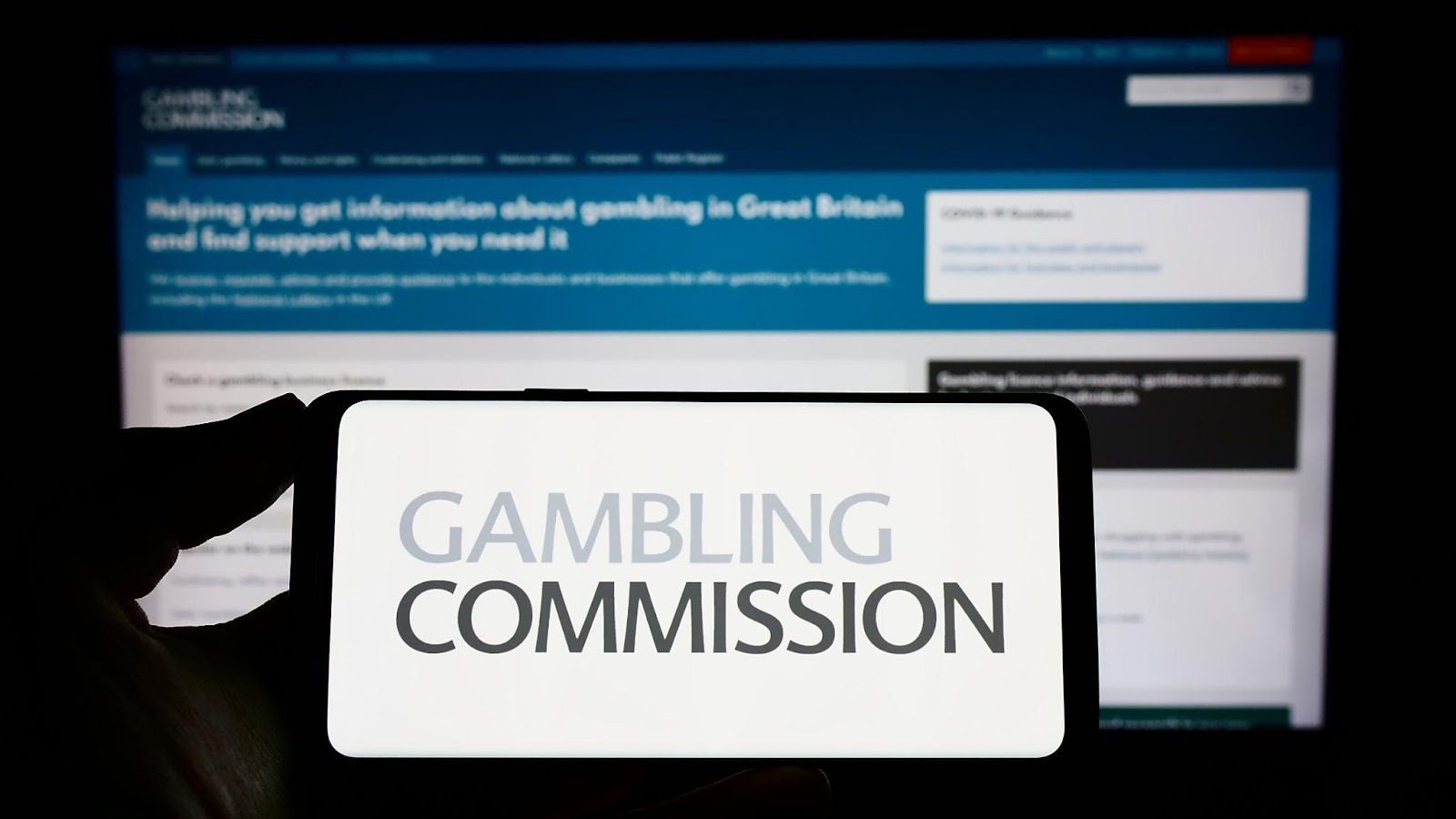
The UK gambling industry has experienced a substantial surge in revenue over the past year. UK gambling firms generated an extra £1 billion from players, largely driven by online casinos.
The UKGC revealed that total revenues from betting and gambling services, excluding lotteries, reached £12.6 billion in the 12 months leading up to March, a 9.3% increase from the previous year.
Online casino games contributed significantly to this growth, with gross gambling yield rising by almost 15% to £5 billion, representing a 55% increase since the start of the COVID‑19 pandemic in 2020.
While this boom demonstrates the popularity of online gambling, it has also sparked debates over regulatory oversight, taxation, and responsible gambling practices.

Drivers of Growth in Online Gambling
Several factors explain the remarkable rise in online casino revenues:
- Accessibility: Mobile apps and digital platforms have made gambling easier than ever. Players can access slots and table games anywhere and at any time.
- Marketing and promotions: Aggressive advertising campaigns by major operators drew in new customers. Last year alone, the industry spent approximately £2 billion on marketing.
- Consumer habits: With the shift toward on-demand entertainment, online casinos have become a favored form of leisure, particularly among younger adults.
Despite these positive business indicators, concerns remain regarding the social impact of gambling, particularly in deprived communities. Critics argue that the industry profits disproportionately from addictive games and vulnerable players, prompting calls for higher taxes and stricter regulation.
Regulatory Changes by the UKGC
The UK Gambling Commission (UKGC) has responded to the rapid growth of online casinos with stricter rules aimed at reducing gambling harm. Among the most notable measures:
- Mixed-product promotions (cross-sell) are banned. The UKGC announced that operators may no longer offer promotions that require customers to gamble on more than one product type (e.g., sports plus casino) as this increases harm risk. This prevents operators from pushing players into multiple gambling products simultaneously.
- Caps on bonus wagering requirements. Operators must limit wagering multipliers, ensuring that bonuses cannot impose unrealistic betting conditions on players.
These changes are intended to foster safer gambling practices and ensure players are better informed about the risks associated with online gaming.
What This Means for Players and Platforms
For players, the regulatory reforms offer both protection and some limitations:
Benefits:
- Simpler and clearer promotions reduce pressure to engage in risky gambling.
- Caps on wagering requirements make it easier to withdraw winnings.
- Safer gambling environments with enhanced transparency.
Limitations:
- Operators may reduce the frequency and size of bonus offers.
- Some previously lucrative cross-product promotions are no longer available.
- Smaller operators dependent on aggressive marketing may struggle to compete.
Operators must adjust marketing strategies, update compliance systems, and ensure all promotional materials meet UKGC standards before deadlines.
Big Jackpot Win Cases: Reality vs. Perception
While headlines often highlight big jackpot win cases, such outcomes are rare. Most players experience small-to-medium wins or losses, which collectively generate significant revenue for operators. These high-profile jackpot wins serve as marketing tools, but they do not represent the typical experience of the majority of gamblers.
The UKGC’s new regulations aim to mitigate the risks of chasing such wins by limiting promotions that encourage excessive or cross-product gambling. Players are encouraged to treat gambling as a form of entertainment, not a guaranteed way to achieve a windfall.
Taxation and Economic Implications
The recent profit surge has reignited discussions about gambling taxation. Policymakers, including members of parliament, have called for higher taxes on online casinos to reflect their profitability and the associated social costs.
Some suggest a differentiated tax model that targets highly addictive forms of gambling, such as online slots, while leaving less harmful activities like bingo halls and horse racing subject to lower rates.
Industry representatives argue that higher taxes could threaten jobs and revenue, citing potential closures of high-street betting shops. However, critics insist that increased duties are necessary to offset social harms and fund responsible gambling initiatives.
Responsible Gambling Measures
In addition to taxation and promotion limits listed on olbg.com/casino-sites, other responsible gambling measures are being encouraged:
- Deposit and loss limits: Operators must provide tools for players to manage spending.
- Self-exclusion programs: Players can temporarily or permanently block themselves from gambling sites.
- Transparency in odds and payouts: Ensuring players understand the likelihood of winning helps reduce unrealistic expectations.
By implementing these measures alongside the ban on cross-sell promotions, regulators hope to strike a balance between player enjoyment and harm prevention.
Conclusion
The UK online gambling sector continues to expand rapidly, with online casinos driving significant revenue growth. While jackpot win cases attract media attention, the reality is that most players experience modest outcomes.
Regulatory interventions by the UKGC — including the ban on mixed-product promotions and caps on wagering requirements — aim to protect players while maintaining the industry’s economic contributions.
As stated by betting.co.uk/casino, players are advised to choose licensed operators, make use of responsible gambling tools, and remain aware of the risks associated with online gaming. As taxation and regulation evolve, the industry must adapt to balance profitability with social responsibility, ensuring that the thrill of gambling does not come at the expense of player welfare.
