


https://unsplash.com/photos/person-holding-black-samsung-android-smartphone-GdRvIi8mWzE
Explore the ultimate guide to comparing Paysend and Wise, covering in-depth feature analyses, fee structures, speed, and more. Make an informed decision on which digital remittance service suits your cross-border money transfer needs.
Are you looking for a platform to send money abroad? We know that the competition in this field is tough, and there are a lot of options to choose from. In fact, there are so many services that you can easily become confused.
If you want to learn more about these two popular financial services, keep reading!
At first sight, all international transfer companies seem to be the same. Promising you the lowest fees and the fastest speed.
But wait…
These companies are not all equal and will offer you different features and prices based on where you want to send your money, the amount, and your needs.
In this article, you’ll learn:
- The benefits of using online money transfers
- Key Features
- Fees
- Transfer Speeds
- Destination coverage
- Which one should you choose
The Benefits Of Using Online Money Transfers
The global remittance market is huge.
According to Grand View Research, the digital remittance market was valued at USD 24.48 billion in 2024 and is expected to reach USD 60 billion by 2030.
More and more people are sending money internationally than ever before. Whether you want to send money to family and friends, pay suppliers in another country, or handle your expenses while travelling… Sending money abroad has become a necessity for many.
However…
Sending money through traditional bank channels is extremely expensive. The transfer fees and the hidden charges and the bad exchange rates make the service unusable for the end customer. This is why so many people have chosen to move to FinTechs such as Paysend and Wise.
When it comes to the Paysend vs Wise comparison, both platforms offer lower fees and faster transactions than traditional banks. However, they are also different in some aspects. Let’s take a closer look at what Paysend and Wise have to offer.
Key Features
In this article, we will be comparing two of the most popular online money transfer services in the world.
Wise and Paysend are both renowned for their transparency and user-friendly experience.
Wise is a well-known name in the financial world. They have been around for nearly a decade and were originally known as TransferWise. The UK-based Wise platform processed over £118 billion worth of cross-border transfers last year and has over 12.8 million active users globally.
With Wise, you will be offered the mid-market exchange rate on all transfers. Wise uses the rate you can find on Google or Reuters and does not add any hidden margins.
Paysend, on the other hand, is the brand new kid on the block. They were founded in 2017 and have since grown their global presence rapidly.
The platform now supports over 170 destinations, and offers flat fee pricing for many corridors.
Paysend is especially known for its focus on card-to-card transfers. This makes them a very convenient option for customers who want the money to be delivered directly onto a recipient’s debit card.
Fees
The fees are an important aspect to look at when choosing an international money transfer service.
Wise’s fees vary based on the currency pair, the amount you are sending, and the type of payment method you want to use. They are percentage-based and typically range between 0.3% and 2% of the transfer amount.
For example… It might cost you £5-7 to send £1,000 from the UK to the rest of Europe. Wise shows you the total fee before you confirm the transaction.
Paysend on the other hand, charges a flat fee for many of their transfers. This is usually between £1 and £2 for the most popular corridors. This can be more cost-effective than percentage-based fees for larger amounts.
However, please note the exchange rate. This can be higher than with Wise, but it varies and you should always calculate the total amount that the recipient will receive.
Remember… The total cost of a transfer is how much your recipient will receive, not the fees you pay to the company.
Transfer Speed
Speed can be a very important factor when it comes to sending money abroad.
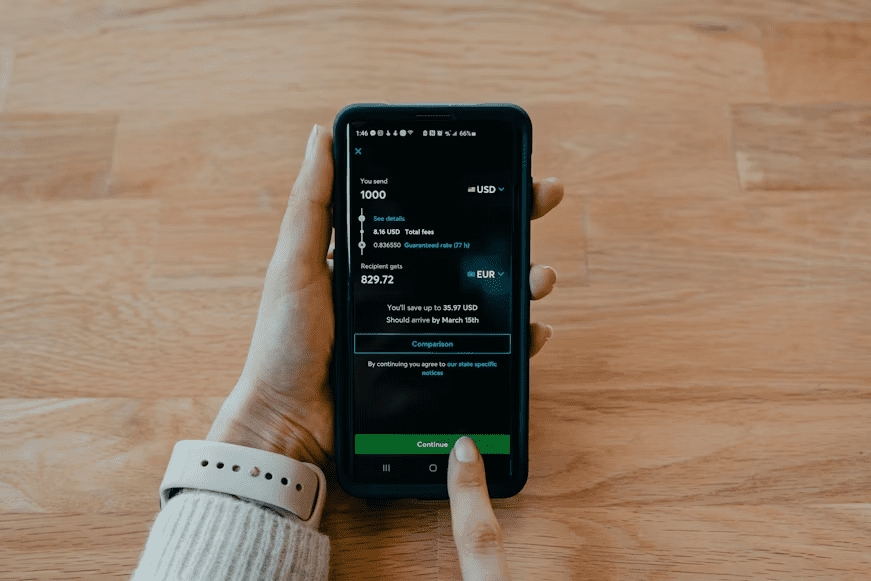
Wise transfers usually take between 1-4 business days to reach the destination. Some of the most common corridors such as sending USD to EUR are instant or can be done within a day. The platform also shows you the estimated time of arrival before you send.
Paysend transfers are often quicker for card to card payments. Many of these transfers take a few minutes to reach their destination. Transfers into bank accounts can take between 1 and 3 business days.
When you need to send money quickly, Paysend’s card-to-card service is hard to beat. However, if you are able to plan in advance and are not in a hurry, Wise will often offer more competitive exchange rates that will save you money.
Coverage and Currencies
Now we have covered the basics, it is important to look at the details.
Where can you send money? How many currencies do the services support?
Wise offers support for over 80 currencies. You can also hold balances in over 40 currencies in a multi-currency Wise account.
They also offer a Wise debit card that you can spend with in any currency at the real exchange rate. Wise is very popular among travellers and remote workers for this reason.
Paysend on the other hand, offers transfers to over 170 countries. The platform has especially gained popularity due to its focus on transfers to emerging market countries. If you are looking to send money to Africa, Asia or Latin America, Paysend often have the best corridor coverage.
Both platforms are constantly expanding their reach, but do differ from country to country and per currency.
Additional Features To Consider
In addition to the standard transfer features, both platforms offer some additional functions that might make you choose one over the other.
Wise offers:
- Multi-currency accounts to hold balances in
- Business accounts for companies
- A debit card that can be used internationally
- Interest on your account balance in certain regions
Paysend offers:
- Global accounts for receiving funds
- Virtual cards for online shopping
- Subscription-based pricing for regular senders
- Direct-to-card delivery
According to a World Bank report, digital transfers cost the global average of 4.96% compared to non-digital transfers, which cost 6.94%. Wise and Paysend tend to cost significantly less than this average.
Which Platform Should You Choose?
The ultimate question. How do you know which one is best for you?
Remember that there is no one-size-fits-all solution. Different people will have different needs.
You should also consider signing up for both to see what they have to offer. Many savvy customers have an account with both Wise and Paysend to compare the best rates and take advantage of both.
However, if you have to choose one, here is what we recommend.
Pick Wise if:
- You need a multi-currency account to manage international funds
- You regularly send money to popular corridors such as US, UK, Europe, Australia
- You prioritize the mid-market exchange rate
- You are looking for a debit card that you can use when spending abroad.
Pick Paysend if:
- You prefer flat-fee pricing for predictable costs
- You value the speed of card to card transfers
- You want to send money to emerging market countries
- You are a frequent sender and can benefit from subscription pricing.
Wrapping Up
Deciding on whether Paysend or Wise is better for you is going to depend on your individual needs.
Wise is better if you are after the transparency of the mid-market exchange rate and value extra features such as multi-currency accounts.
Paysend is better if you value the flat fees and quick card to card delivery.
The bottom line? Compare both platforms before you send, based on your specific destination and amount to find out which one will be cheaper.
As the digital remittance market continues to grow, more and more companies will enter the space, forcing the prices down and delivery times up.
No matter what you decide in the end, you are already way ahead of the curve by using an online service instead of your traditional bank.
